Planting the Seeds of Peace
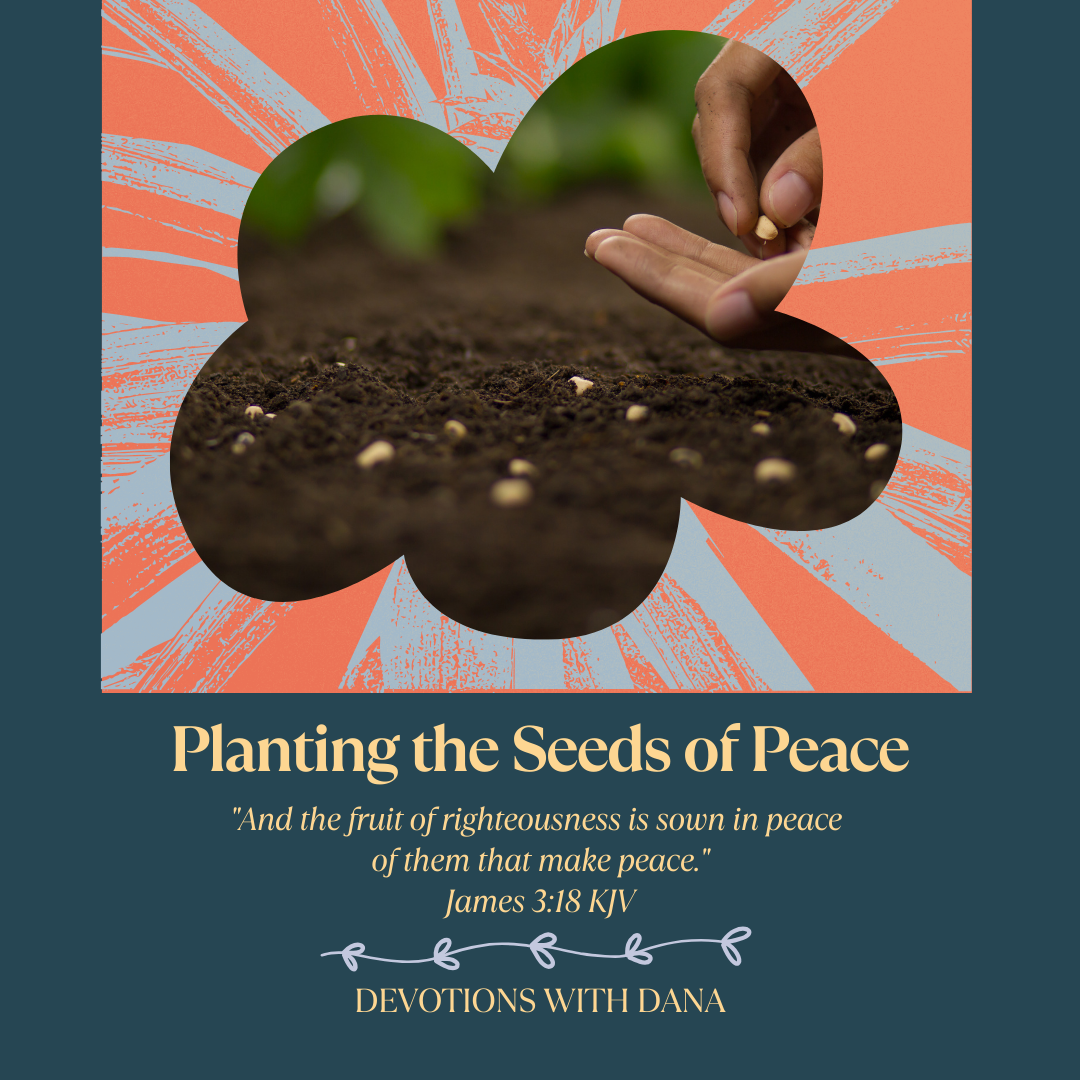
I have a brown thumb. Actually, that's being generous. It's more like a thumb of death when it comes to plants. I've given up trying to grow anything because no matter how carefully I follow the instructions or how diligently I water and tend, most plants barely last a week before keeling over. My friends and family have learned not to gift me plants anymore, having witnessed too many botanical tragedies. Even my attempt at growing a supposedly unkillable miniature rosebush ended in disaster. (Who knew they could actually shrivel up and die from too much attention?)
Yet, despite my gardening failures, James 3:18 has been lingering in my thoughts lately: "And the fruit of righteousness is sown in peace of them that make peace."
The imagery here is powerful. Peace isn't described as something we manufacture in a crisis. It's something we plant, cultivate, and harvest. Just like a garden doesn't sprout overnight (or, in my case, at all), peace requires intentional cultivation.
When we first moved to Wales as missionaries, I had visions of immediate spiritual harvests. I quickly learned that ministry, like gardening, requires patience. Some days bring discouragement when attendance is low or carefully planned events don't quite work out as hoped. During those moments, I've learned that peace isn't the absence of difficulty. It's the presence of God in the midst of challenges.
The verse tells us righteousness is "sown in peace." Not in arguments. Not in heated theological debates. Not in proving others wrong. In peace.
How often do we attempt to sow righteousness through conflict, thinking we're standing for truth when we're actually trampling the very soil where righteousness should grow? Perhaps it's in that heated social media discussion about doctrine, family disagreement about church attendance, or even our well-meaning but poorly executed attempts to correct someone else's behaviour.
Being a peacemaker means listening more than speaking, understanding before being understood, and praying before pronouncing judgment. It means choosing our words carefully in conversations, responding gracefully when others disagree, and finding ways to build bridges instead of walls.
Consider your daily interactions: Are you sowing seeds of peace in your home by speaking words of encouragement rather than criticism? At work, do you diffuse tension or add to it? In your church, do you focus on what unites rather than what divides?
While I may never master the art of keeping plants alive (much to my husband's amusement), we can all become skilled at cultivating peace. It might mean biting your tongue when you really want to prove your point. It could mean reaching out to someone with different views and genuinely trying to understand their perspective. Sometimes, it's as simple as choosing not to forward that inflammatory email or social media post.
The beautiful promise is this: when we make peace, we create the perfect conditions for righteousness to flourish. And unlike my failed attempts at gardening, the peace we sow today will yield a harvest of righteousness in due season.
Let's be intentional peace planters, sowing seeds of harmony wherever we go, knowing the fruit will surely come. After all, even those of us with brown thumbs can excel at growing peace!