Looking for a specific topic or Scripture? Try the search feature:

Looking for a specific devotion? Try the archive:
Devotions Archive
- September 2026 6
- August 2026 13
- July 2026 11
- June 2026 11
- May 2026 13
- April 2026 13
- March 2026 13
- February 2026 12
- January 2026 10
- December 2025 31
- November 2025 8
- October 2025 9
- September 2025 9
- August 2025 8
- July 2025 9
- June 2025 7
- May 2025 9
- April 2025 8
- March 2025 9
- February 2025 8
- January 2025 9
- December 2024 9
- November 2024 8
- October 2024 9
- September 2024 9
- August 2024 9
- July 2024 7
- June 2024 8
- May 2024 9
- April 2024 9
- March 2024 8
- February 2024 9
- January 2024 9
- December 2023 6
- November 2023 9
- October 2023 9
- September 2023 7
- August 2023 9
- July 2023 8
- June 2023 9
- May 2023 5
- April 2023 6
- March 2023 5
- February 2023 9
- January 2023 10
- December 2022 7
- November 2022 11
- October 2022 12
- September 2022 9
- August 2022 13
- July 2022 7
- June 2022 1
- April 2022 3
- March 2022 4
- February 2022 4
- January 2022 1
- December 2021 3
- November 2021 4
- September 2021 2
- August 2021 1
- July 2021 3
- June 2021 4
- May 2021 1
- April 2021 2
- March 2021 1
- February 2021 2
- January 2021 7
- December 2020 3
- November 2020 4
- October 2020 4
- September 2020 6
- August 2020 5
- July 2020 3
- June 2020 6
- May 2020 8
- April 2020 7
- March 2020 1
- February 2020 2
- January 2020 6
- December 2019 2
- November 2019 3
- October 2019 1
- September 2019 2
- August 2019 6
- July 2019 5
- June 2019 7
- May 2019 10
- April 2019 9
- March 2019 13
- February 2019 17
- January 2019 20
- December 2018 17
- November 2018 21
- October 2018 22
- September 2018 14
- August 2018 22
- July 2018 22
- June 2018 21
- May 2018 11
- April 2018 20
- March 2018 21
- February 2018 20
- January 2018 27
- December 2017 10
- November 2017 21
- October 2017 22
- September 2017 19
- August 2017 23
- July 2017 21
- June 2017 19
- May 2017 20
- April 2017 20
- March 2017 18
- February 2017 19
- January 2017 17
- December 2016 18
- November 2016 17
- October 2016 17
- September 2016 18
- August 2016 17
- July 2016 15
- June 2016 13
- May 2016 17
- April 2016 16
- March 2016 18
- February 2016 18
- January 2016 20
- December 2015 16
- November 2015 19
- October 2015 21
- September 2015 19
- August 2015 20
- July 2015 21
- June 2015 20
- May 2015 17
- April 2015 20
- March 2015 20
- February 2015 18
- January 2015 21
- December 2014 12
- November 2014 16
- October 2014 19
- September 2014 21
- August 2014 19
- July 2014 18
- June 2014 19
- May 2014 22
- April 2014 16
- March 2014 12
- February 2014 17
- January 2014 19
- December 2013 14
- November 2013 17
- October 2013 13
- September 2013 17
- August 2013 16
- July 2013 11
- June 2013 17
- May 2013 16
- April 2013 8
- March 2013 17
- February 2013 16
- January 2013 22
- December 2012 13
- November 2012 14
- October 2012 17
- September 2012 15
- August 2012 16
- July 2012 16
- June 2012 14
- May 2012 16
- April 2012 14
- March 2012 19
- February 2012 16
- January 2012 19
- December 2011 7
- November 2011 16
- October 2011 16
- September 2011 16
- August 2011 18
- July 2011 17
- June 2011 13
- May 2011 16
- April 2011 15
- March 2011 18
- February 2011 12
- January 2011 14
- December 2010 10
- November 2010 11
- October 2010 16
- September 2010 16
- August 2010 8
- July 2010 14
- June 2010 7
- May 2010 17
- April 2010 13
- March 2010 15
- February 2010 15
- January 2010 19
- December 2009 12
- November 2009 13
- October 2009 12
- September 2009 20
- August 2009 15
- July 2009 14
- June 2009 9
- May 2009 6
- April 2009 15
- March 2009 4
- February 2009 10
- January 2009 16
- December 2008 7
- November 2008 13
- October 2008 10
- September 2008 19
- August 2008 17
- July 2008 7
- January 1999 2
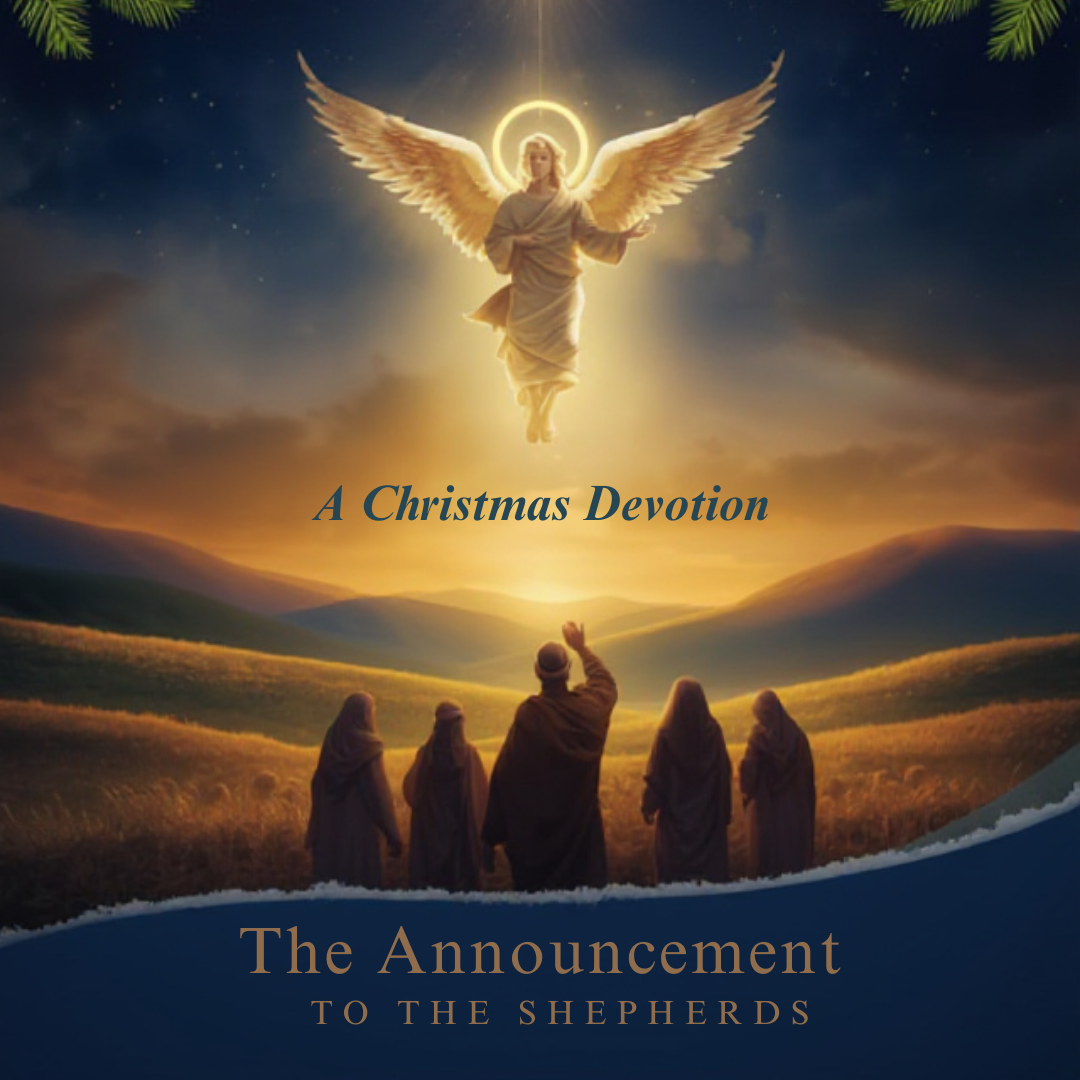
The Announcement to the Shepherds
After the quiet intimacy of the birth, the story bursts into light and sound. The first announcement of Christ’s arrival didn't go to the priests in the Temple, the Roman governor, or the wealthy in the city. It went to the shepherds out in the field.
These were common, working-class men, often marginalized and viewed as spiritually suspect because their job made it hard to keep all the ceremonial laws. Yet, God chose them.
The angel appeared and told them (Luke 2:10-12, KJV): "Fear not: for, behold, I bring you good tidings of great joy, which shall be to all people. For unto you is born this day in the city of David a Saviour, which is Christ the Lord. And this shall be a sign unto you; Ye shall find the babe wrapped in swaddling clothes, lying in a manger."
Why the shepherds?
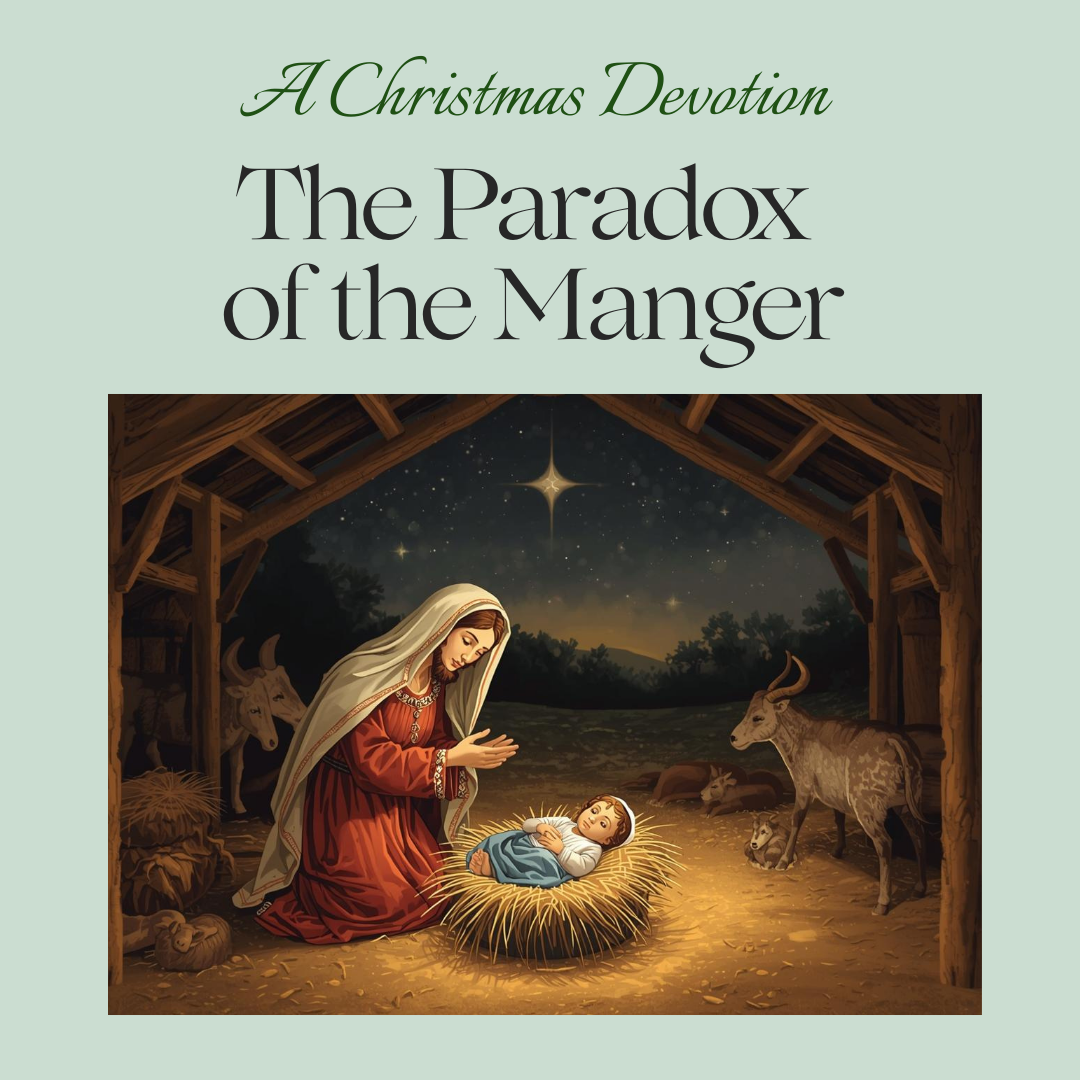
The Paradox of the Manger
Yesterday, we reflected on the fact that Christ was laid in a manger because there was no room in the inn. Today, let’s focus on the manger itself.
A manger, as we know, is a feeding trough for livestock. It's rough, crude, and smells like hay and manure. It is the absolute antithesis of a throne or a royal crib. Yet, this rough-hewn box became the first sanctuary of the King of Kings.
This is the ultimate paradox of Christmas. It challenges everything the world teaches us about power, glory, and significance.
Paul writes beautifully about this principle in 2 Corinthians 8:9 (KJV): "For ye know the grace of our Lord Jesus Christ, that, though he was rich, yet for your sakes he became poor, that ye through his poverty might be rich."
No Room in the Inn
Today, we arrive in Bethlehem with Mary and Joseph. We know how tired they must have been after that long, inconvenient journey. They needed rest, comfort, and, most importantly, a clean, safe place for the Messiah to be born.
But as the story goes, they found nothing.
Luke 2:7 (KJV) tells us the simple, shocking truth: "And she brought forth her firstborn son, and wrapped him in swaddling clothes, and laid him in a manger; because there was no room for them in the inn."
I find that phrase, "no room for them in the inn," powerful because it wasn’t just a logistical problem; it was a profound spiritual statement.
The Journey of Obedience
Today, we come to a pivotal moment in the Christmas story: the journey from Nazareth to Bethlehem. This wasn't a choice made by Mary and Joseph; it was a mandate issued by Caesar Augustus for a census, requiring everyone to return to their ancestral home.
Luke 2:4 (KJV) states: "And Joseph also went up from Galilee, out of the city of Nazareth, into Judaea, unto the city of David, which is called Bethlehem; (because he was of the house and lineage of David:)."
This was not a comfortable or convenient trip. It was a long, difficult, and likely dangerous journey of about 80-90 miles, especially for Mary, who was heavily pregnant. Yet, they went. They went simply because the law required it. They went out of obedience.
Zechariah’s Song of Salvation
We've been focusing on Mary, but let’s circle back to Elizabeth’s husband, Zechariah. Remember him? He was the priest who, earlier in the story, doubted the angel Gabriel’s promise that his aged wife, Elizabeth, would conceive a son (John the Baptist). Because of his doubt, he was struck speechless until the child was born.
For nine months, Zechariah was forced into a profound, disciplinary silence. Imagine having the greatest news in the world to share yet not being able to utter a single word! But on the day his son was born and named "John," his tongue was finally loosed.
And what was the first thing he did? He sang!