Holding Fast
Jesus introduces His message to Thyatira with imagery of blazing eyes and burnished bronze feet, representing divine judgment. Despite this sobering opening, He commends them for their outstanding spiritual growth and abundant works of love, faith, and perseverance.
However, a severe problem threatened their progress. Jesus rebukes Thyatira for tolerating false teachings from a woman, “Jezebel”, who encouraged immorality and idolatry. Though she called herself a prophetess, her doctrines came straight from Satan. Tragically, her deception had corrupted some believers.
This grave spiritual and moral compromise stirred Jesus to warn of impending judgment striking Thyatira unless they repented. Those misled by this false prophetess had been given time to turn from her wickedness, confirming God's patience toward sinners. But they refused, and judgment inevitably follows unrepentant sin.
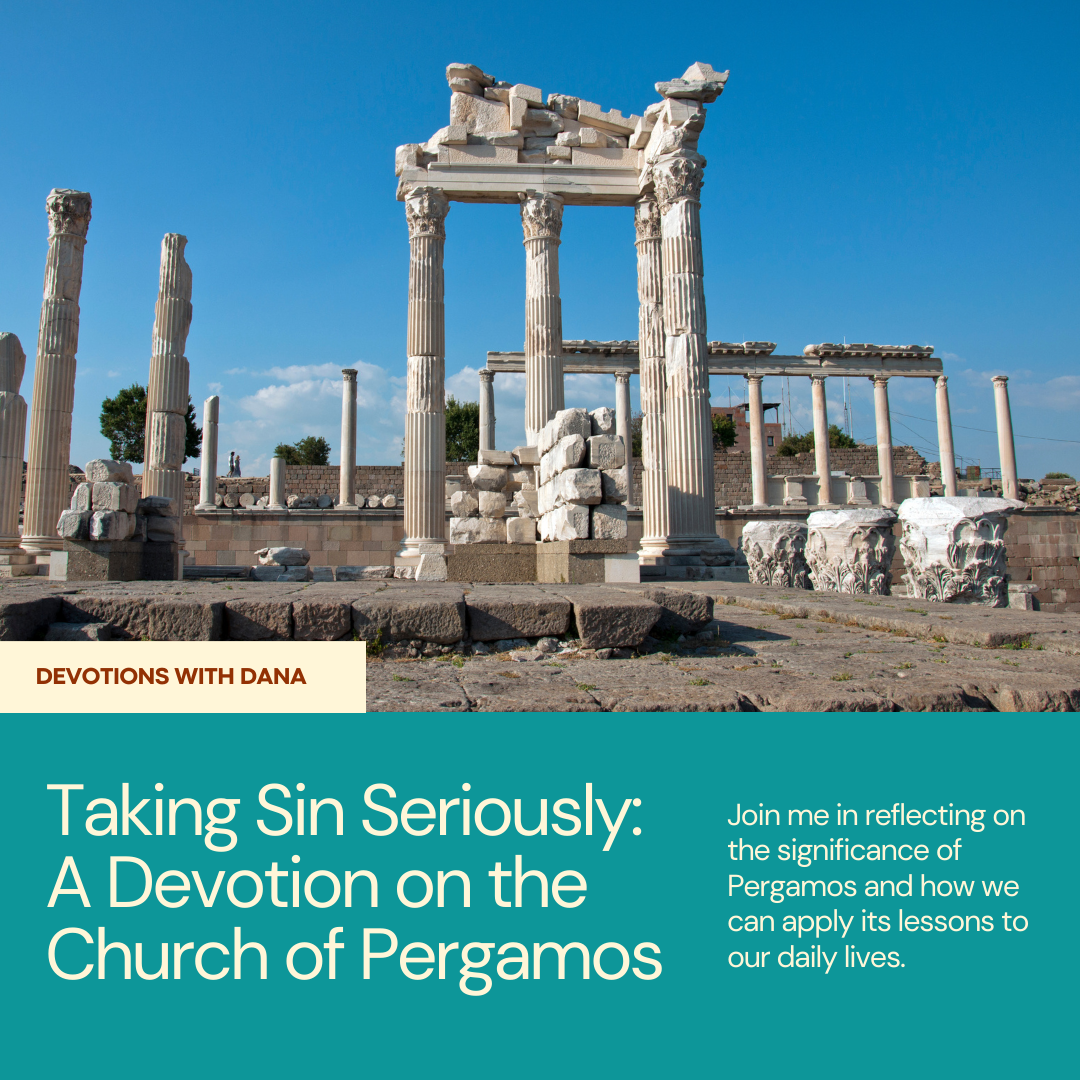
Taking Sin Seriously
Jesus introduces His message to Pergamos by reminding them of the sharp two-edged sword proceeding from His mouth. This symbolises the Word of God that will soon cut to their hearts concerning compromise in their midst.
The city of Pergamos was an epicentre of pagan idolatry and immorality. Yet Jesus commends the believers there for clinging to His name despite persecution. For the most part, they had resisted the rampant evil around them.
However, Jesus takes issue with Pergamos' tolerance of sin within its walls. Some members dabbled in idolatry and sexual immorality. These wayward sheep should have been confronted and corrected for their own good. But instead, they remained unchallenged as part of the flock, to its detriment.
True Riches in Christ
The letter to the church at Smyrna comes from Jesus, who declares Himself as "the first and the last, which was dead, and is alive." This description highlights Christ's eternal nature and affirms His sovereignty over life and death. Jesus holds the keys to Death and Hell, a comforting truth for the persecuted church at Smyrna.
The name Smyrna means "myrrh," an embalming spice, which seems prophetic as this church underwent immense suffering. Faith in Christ cost these believers their livelihoods and social standing. Poverty and imprisonment plagued them. Even so, Jesus calls them rich, for while poor in earthly goods, they overflowed in spiritual wealth and heavenly hope.
Leaving Our First Love
The letter to the church at Ephesus in Revelation 2 opens with a beautiful description of Jesus, who holds the seven stars and walks among the lampstands. This imagery reminds us that Christ is the centre of the church. He is the One we orbit around as we shine His light in the darkness.
Jesus commends the Ephesian church for their devotion to righteousness. They worked hard, persevered through trials, and maintained doctrinal purity by exposing false teachers. The Ephesians had a lot going for them. They seemed to be a model church.
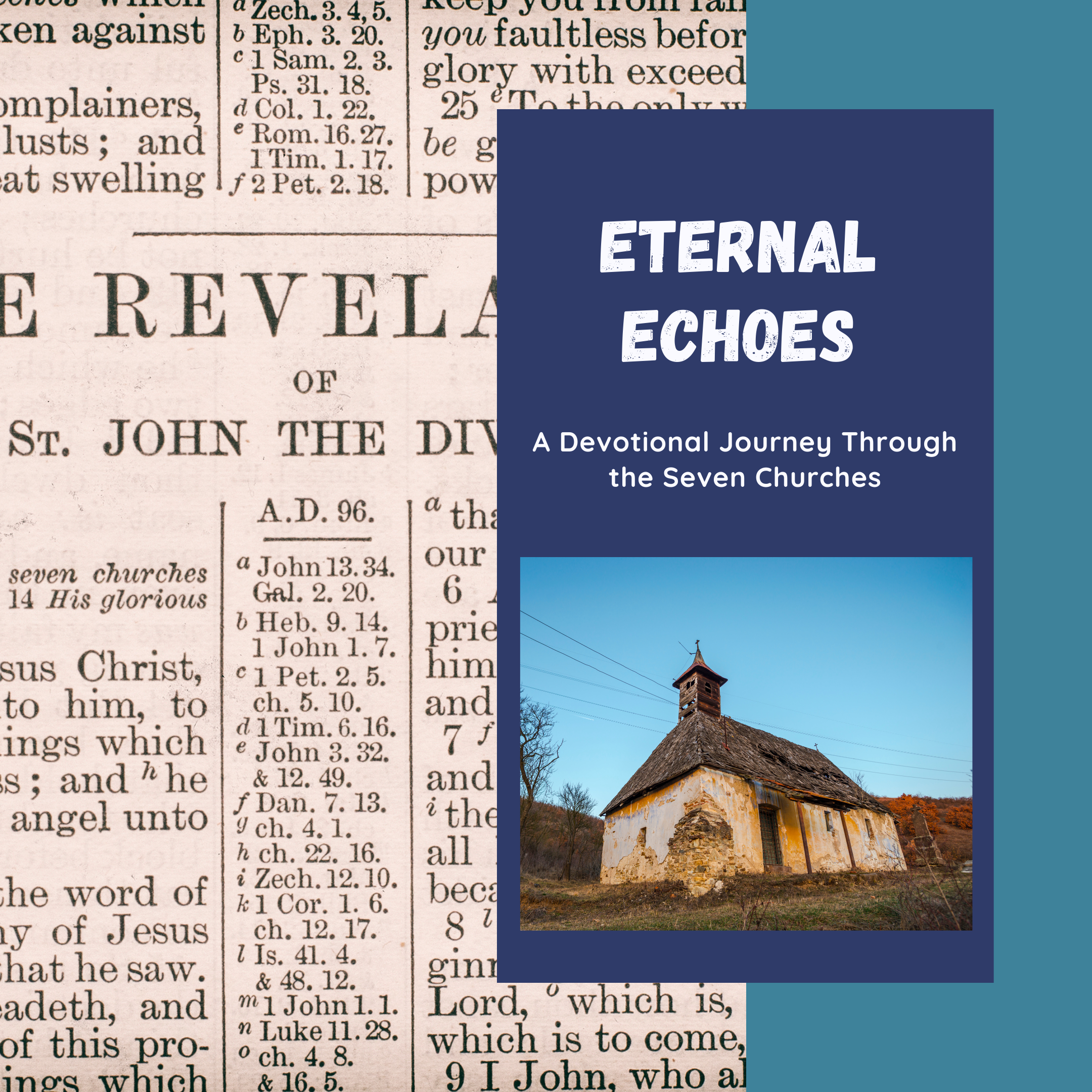
Eternal Echoes: A Devotional Journey through the Seven Churches
The book of Revelation contains mysteries and prophecies that have confounded readers for centuries. But nestled among the apocalyptic visions are seven letters written directly to seven specific churches in Asia Minor during the first century A.D. On the surface, these letters from Jesus seem simple enough. However, a closer look reveals significant convicting messages for churches and believers today.
Over the next few weeks, I want us to explore these seven letters to the churches mentioned in Revelation 2-3. As we break down each one, I pray we’ll uncover powerful truths to apply to our walks with Christ. Though initially written to actual local churches, the instructions, encouragements, warnings, and promises Jesus gives to the seven churches speak volumes to us now.