Looking for a specific topic or Scripture? Try the search feature:

Looking for a specific devotion? Try the archive:
Devotions Archive
- September 2026 10
- August 2026 13
- July 2026 11
- June 2026 11
- May 2026 13
- April 2026 13
- March 2026 13
- February 2026 12
- January 2026 10
- December 2025 31
- November 2025 8
- October 2025 9
- September 2025 9
- August 2025 8
- July 2025 9
- June 2025 7
- May 2025 9
- April 2025 8
- March 2025 9
- February 2025 8
- January 2025 9
- December 2024 9
- November 2024 8
- October 2024 9
- September 2024 9
- August 2024 9
- July 2024 7
- June 2024 8
- May 2024 9
- April 2024 9
- March 2024 8
- February 2024 9
- January 2024 9
- December 2023 6
- November 2023 9
- October 2023 9
- September 2023 7
- August 2023 9
- July 2023 8
- June 2023 9
- May 2023 5
- April 2023 6
- March 2023 5
- February 2023 9
- January 2023 10
- December 2022 7
- November 2022 11
- October 2022 12
- September 2022 9
- August 2022 13
- July 2022 7
- June 2022 1
- April 2022 3
- March 2022 4
- February 2022 4
- January 2022 1
- December 2021 3
- November 2021 4
- September 2021 2
- August 2021 1
- July 2021 3
- June 2021 4
- May 2021 1
- April 2021 2
- March 2021 1
- February 2021 2
- January 2021 7
- December 2020 3
- November 2020 4
- October 2020 4
- September 2020 6
- August 2020 5
- July 2020 3
- June 2020 6
- May 2020 8
- April 2020 7
- March 2020 1
- February 2020 2
- January 2020 6
- December 2019 2
- November 2019 3
- October 2019 1
- September 2019 2
- August 2019 6
- July 2019 5
- June 2019 7
- May 2019 10
- April 2019 9
- March 2019 13
- February 2019 17
- January 2019 20
- December 2018 17
- November 2018 21
- October 2018 22
- September 2018 14
- August 2018 22
- July 2018 22
- June 2018 21
- May 2018 11
- April 2018 20
- March 2018 21
- February 2018 20
- January 2018 27
- December 2017 10
- November 2017 21
- October 2017 22
- September 2017 19
- August 2017 23
- July 2017 21
- June 2017 19
- May 2017 20
- April 2017 20
- March 2017 18
- February 2017 19
- January 2017 17
- December 2016 18
- November 2016 17
- October 2016 17
- September 2016 18
- August 2016 17
- July 2016 15
- June 2016 13
- May 2016 17
- April 2016 16
- March 2016 18
- February 2016 18
- January 2016 20
- December 2015 16
- November 2015 19
- October 2015 21
- September 2015 19
- August 2015 20
- July 2015 21
- June 2015 20
- May 2015 17
- April 2015 20
- March 2015 20
- February 2015 18
- January 2015 21
- December 2014 12
- November 2014 16
- October 2014 19
- September 2014 21
- August 2014 19
- July 2014 18
- June 2014 19
- May 2014 22
- April 2014 16
- March 2014 12
- February 2014 17
- January 2014 19
- December 2013 14
- November 2013 17
- October 2013 13
- September 2013 17
- August 2013 16
- July 2013 11
- June 2013 17
- May 2013 16
- April 2013 8
- March 2013 17
- February 2013 16
- January 2013 22
- December 2012 13
- November 2012 14
- October 2012 17
- September 2012 15
- August 2012 16
- July 2012 16
- June 2012 14
- May 2012 16
- April 2012 14
- March 2012 19
- February 2012 16
- January 2012 19
- December 2011 7
- November 2011 16
- October 2011 16
- September 2011 16
- August 2011 18
- July 2011 17
- June 2011 13
- May 2011 16
- April 2011 15
- March 2011 18
- February 2011 12
- January 2011 14
- December 2010 10
- November 2010 11
- October 2010 16
- September 2010 16
- August 2010 8
- July 2010 14
- June 2010 7
- May 2010 17
- April 2010 13
- March 2010 15
- February 2010 15
- January 2010 19
- December 2009 12
- November 2009 13
- October 2009 12
- September 2009 20
- August 2009 15
- July 2009 14
- June 2009 9
- May 2009 6
- April 2009 15
- March 2009 4
- February 2009 10
- January 2009 16
- December 2008 7
- November 2008 13
- October 2008 10
- September 2008 19
- August 2008 17
- July 2008 7
- January 1999 2

Why We Want God’s Help But Not His Rule
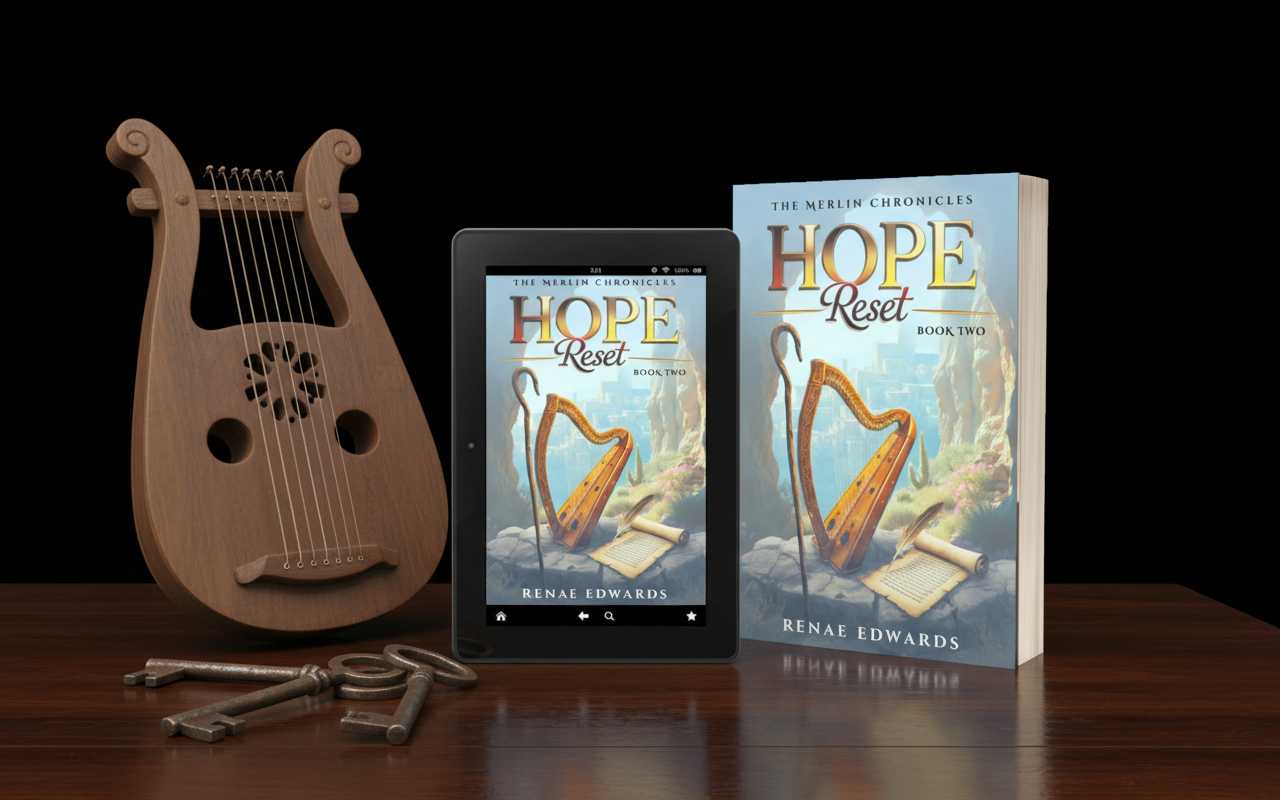
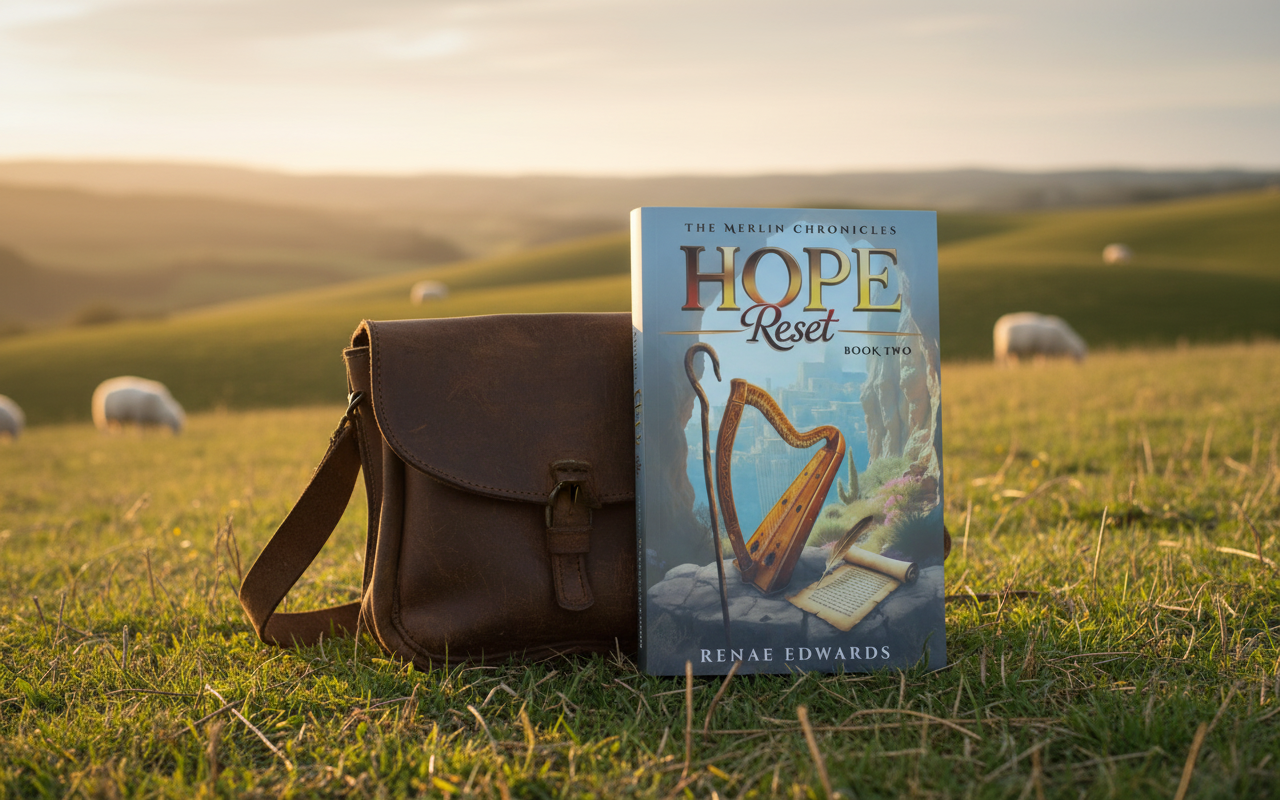
My new book, Hope Reset, is a Christian historical fiction/fantasy novel that follows the legendary advisor Merlin as he embarks on an extraordinary journey through time alongside Jesus. In this story, Jesus guides Merlin through the life of David—the shepherd-warrior who became Israel's greatest king—to prepare him with the wisdom he'll need when he returns to Camelot to help Arthur become the king he's destined to be.
In one particularly powerful scene, Merlin witnesses young David serving under King Saul, who was, frankly, a wreck. Saul was plagued by deep paranoia and violent, unpredictable rages. David, renowned for his skill with the harp, would often play music that brought peace to the king's troubled mind. David had also saved Israel by defeating the giant Goliath.
But even though David was loyal and provided the king with both peace and protection, Saul's jealousy over David's popularity curdled into a murderous rage.

The Poison of Jealousy
Jealousy is such a subtle enemy, isn’t it? It usually starts small—a quick comparison, a little resentment over someone else's success—and before you know it, it's poisoning your entire outlook.
We see this destructive process clearly in King Saul's life . The moment the people began praising David’s victories above the king's, Saul’s jealousy was ignited . This wasn’t just a passing irritation; the pride in his heart poisoned him, leading to violent paranoia and destructive schemes against David . Saul had everything—power, a crown, an army—but the poison of comparison destroyed his inner peace and corrupted his leadership.
Rejection or Divine Mercy?
Rejection hurts. Whether it's a professional setback, getting passed over for a job, or experiencing a personal falling-out, rejection often feels like a painful loss or a massive failure . Our first reaction is usually anger, sadness, or frustration.
David experienced a powerful rejection from the Philistine lords when they publicly refused to let him accompany them into battle . At the time, David probably felt humiliated. But later, after the tragic burning of Ziklag, David realized that rejection had been God's perfect protection . If he had been allowed to go to the battlefield with the Philistines, he would have been far away when his own family and community were raided and captured.
Humility in Waiting
Waiting is tough, especially when you know you are meant for something bigger. Maybe you know deep down you have the skills, the calling, or the destiny for a major purpose, but you are stuck right now serving in a role that feels too small, or maybe even humiliating .
David faced this exact challenge. The sources remind us that he knew he was God's anointed—he was destined to be king. Yet, instead of rushing out to seize the throne or start a revolution, he chose to serve King Saul humbly . He served both in the army and in the court, trusting completely in God’s timing . He didn't see his current position as beneath him; he saw it as necessary preparation.

Bearing Burdens: Understanding the Galatians Paradox
Have you ever come across two verses in the Bible that seem to contradict each other and thought, "Wait a minute! What's going on here?" I certainly have! One such apparent contradiction appears in Galatians, where Paul seemingly gives us opposing instructions about burdens.
In Galatians 6:2, Paul tells us, "Bear ye one another's burdens, and so fulfil the law of Christ."
But just three verses later in Galatians 6:5, he states, "For every man shall bear his own burden."
So which is it, Paul? Are we supposed to help others with their burdens or let everyone carry their own? Is this a biblical blooper, or is there something deeper at play?
The answer lies in the original Greek text. When Paul wrote these passages, he used two different words for "burden," each with its own distinct meaning.